Bühler FAQ: What It Is, What It Isn’t, and What to Check Before You Buy
If you typed Bühler into a search bar and got yarn companies, lawyers, and breakfast recipes, this article is for you. I’m a quality compliance manager at an industrial processing equipment company. I review a few hundred deliveries a year—or rather, about 200 unique spec sheets, plus reorders—and I rejected about 23% of first-article batches in 2024, mostly because the documentation didn’t match the purchase order. This FAQ covers the questions that keep showing up in our search logs.
What Is Bühler?
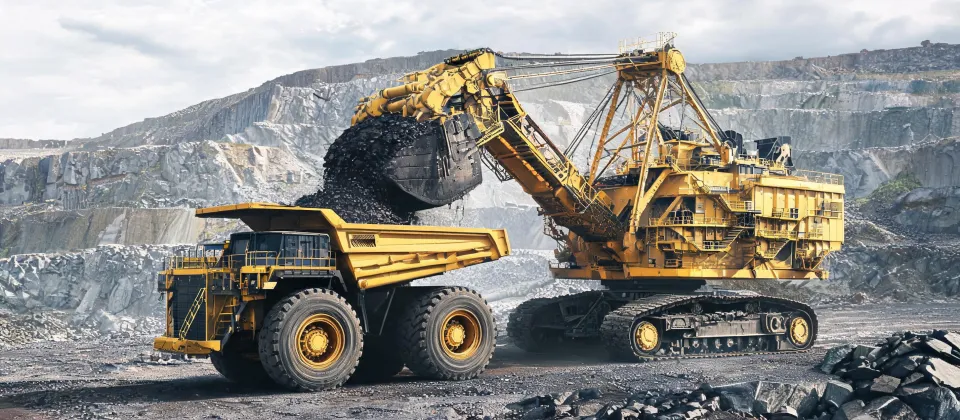
Bühler Group is a Swiss industrial technology company based in Uzwil. It builds roller mills, pellet mills, optical sorters, extruders, and die-casting systems for food, feed, and advanced materials. If you are shopping for process equipment, that is the Bühler you probably meant.
People sometimes assume a premium price is just a brand tax. In my experience, it is the other way around: equipment that consistently meets its specs can charge more because it is worth more. The machine price is only the starting point—spare parts, energy use, commissioning, and uptime decide what a line actually costs.
This was accurate as of May 2025. Bühler’s product portfolio changes, so verify current model numbers and specifications before making any decisions.
Is Bühler the Same as Buhler Quality Yarns Corp.?
No. Buhler Quality Yarns Corp. is a textile-related business. The Swiss Bühler Group is a process engineering company. They share a name (and the umlaut often disappears in English), but I have not found any ownership connection between them. If you are searching for yarn, you are on the wrong page. If you are searching for a pellet mill or an optical sorter, you are in the right place.
Who Is Stephen Buhler Attorney?
I cannot speak to Stephen Buhler’s law practice, and I will not pretend to know every bar directory. But he is not Bühler Group. If you reached this article looking for a lawyer, use your state bar’s attorney directory and search from there. If you reached it looking for Buhler industrial equipment, keep reading.
What Is a White Contract?
There is no single legal definition of a “white contract” in most jurisdictions. In practice, I hear it used two ways: a blank vendor form that has not been negotiated, or a white-label contract where a supplier provides products under your brand. Both have the same danger—the party controlling the paper keeps the leverage.
If a reseller hands you a one-page form and says, “don’t worry, it’s our standard white contract,” start worrying. Ask what happens if the machine arrives with a cracked component. Ask who pays freight on warranty returns. Per FTC business guidance (ftc.gov), claims like “certified” or “like new” have to be substantiated. If the verification is not in writing, it is not a claim; it is a hope.
A cheap contract can become the most expensive document in your file. I learned that when a vendor’s standard form did not include commissioning, and the line sat idle for six days. (Six days of lost production, but hey—the invoice was tidy.)
What Are Henry Stats?
If you meant a football player’s stats, I am not your guy. But in the process equipment world, “Henry stats” almost always means Henry Hub statistics—the U.S. natural gas benchmark. The Energy Information Administration publishes storage levels, spot prices, and futures prices at eia.gov.
Why should a Bühler buyer care? Because much of Bühler’s equipment does drying, heating, or die casting. Natural gas is a direct operating cost. I have seen a budget approval stall when the plant manager realized the energy bill would double during winter peak. The machine price was not the problem; the gas bill was.
Oh, and Henry Hub is a benchmark, not your actual gas rate. Local utility tariffs add delivery, storage, and taxes on top. Henry Hub prices were especially volatile in 2024 and early 2025, so verify current stats before projecting energy costs.
What Is a Breakfast?
A breakfast is the first meal of the day. The question this industry usually gets is “what is a breakfast cereal?” Bühler builds processing lines for breakfast cereals—flaking, puffing, extruding, drying, and coating. If you are comparing cereal equipment, compare cost per finished ton, not the sticker price. I have seen a lower-priced line use 15% more energy and require twice the sanitation time. That recurring cost makes the “cheaper” machine more expensive by month six.
So glad I recommended a full utility audit before signing for a cereal line. I almost approved a purchase based on machine price alone, which would have been a painful lesson in total cost of ownership.