Buhler Equipment in a Crunch: Choosing the Right Processing Gear When Time Isn't on Your Side
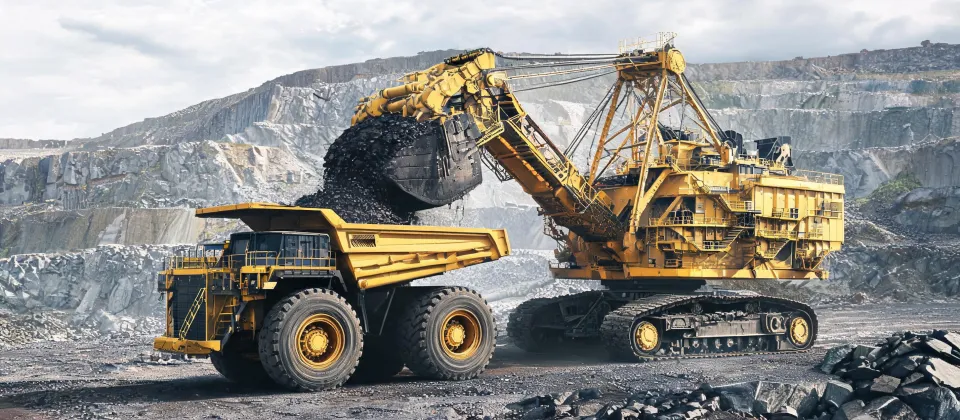
There's no single 'right' answer when you need processing equipment fast. It depends on what's breaking, when you need it, and how much room you have in the budget. Based on coordinating over 200 rush orders in the industrial sector—including a few nightmare scenarios with grain mills and sorters—I've learned that the 'best' choice is less about the machine itself and more about your specific deadline and risk tolerance.
To simplify it, I break these situations into three common scenarios. Let's walk through each one.
Scenario A: You Have 2-3 Days (The 'Machine is Down' Emergency)
This is the worst-case. A critical piece of equipment—say, a Buhler valve or a critical component of a sortex sorter—has failed, and production is stopped. You don't have the luxury of choice. Your only goal is getting the part or replacement running now.
In this scenario, price isn't the primary factor. It's all about time certainty. You're not paying for a faster shipping label; you're paying for a guarantee that the part will be there when promised.
- The Strategy: Call your authorized Buhler distributor directly. Explain the situation. Ask for their guaranteed 'rush' or 'emergency' lead time. In March of last year, I needed a specific valve actuator. The standard lead time was 3 weeks. We paid a 35% premium for a rush order that was guaranteed in 48 hours. It arrived in 42.
- The Cost: Expect to pay 25-50% over standard list price for this level of certainty.
- The Risk: Going with a cheaper, 'maybe-by-Friday' vendor for a critical part is a gamble. The cost of one more day of downtime could be thousands of dollars in lost production.
'In a true emergency, a 100% certain $2,000 part is cheaper than a 70% certain $1,200 part if the downtime costs $500 an hour.'
— From my own internal analysis after a 2023 incident.
If the OEM can't meet your deadline, consider if a serviceable used part is available locally. It's not ideal for long-term reliability, but it can be a bridge while you wait for the new part.
Scenario B: You Have 1-3 Weeks (The Scheduled Upgrade)
This is more common. You have a planned maintenance window, a scheduled capacity increase, or you're replacing a piece of Buhler milling equipment that's been flagged for replacement. You have time to shop around a bit, but you're still working against a firm production deadline.
Here, you can start to weigh cost vs. speed more carefully. The decision often comes down to new vs. certified pre-owned.
- Option 1: New Equipment (Expedited). You can often shave a week or two off a new order by working with your sales rep. For example, a new Buhler chocolate machine might have a 4-week standard lead time, but you might get it in 2.5 weeks if the factory has a build slot or the model is in stock. Expect to pay a 15-25% rush fee. (I should add: this varies wildly by model and time of year.)
- Option 2: Certified Used/Refurbished Equipment. This is my go-to recommendation for this timeframe. Dealers specializing in industrial processing gear often have Buhler valves, sorters, and mills in stock. The gear is inspected, often comes with a warranty, and can ship in days, not weeks. The trade-off? It's used. You might not get the latest technology or the exact specifications of a new build. In Q3 2024, we sourced a used Buhler grain processing line for a client needing a 1-week turnaround. It saved them 40% vs. new and arrived on time.
'My experience is based on about 200 mid-range orders, mostly for milling and sorting components. If you're working with high-precision or medical-grade equipment, your options for used gear are far more limited.'
Scenario C: You Have 3+ Weeks (The Planned Project)
This is the ideal scenario. You have time to do proper specification, get competitive quotes, and make a strategic purchasing decision. The pressure is low enough that you can focus on long-term value, not just immediate availability.
This is where you should be most critical. Don't just buy the first available option. Consider:
- Total Cost of Ownership (TCO): A cheaper used sorter might save you $5,000 upfront, but will it need more maintenance? Will it have lower throughput than a new model? We made this mistake in 2022 with a used conveyor system—we saved 30% upfront but spent it in repairs over 18 months.
- Technology & Specs: With a 3-week lead time, you can almost always get the exact new machine you need. Is the new model more energy-efficient? Does it offer better automation? For a long-term asset, these features often pay for themselves.
- Negotiate: You have time. Ask for a discount, better payment terms, or included installation support. The worst they can say is no.
To be fair, this is the position we all want to be in. It leads to the best overall value. Granted, it requires better planning—which is often easier said than done in this industry.
How to Know Which Scenario You're In
At the end of the day, the winner is the scenario where you know your own deadline. If you're reading this and aren't sure, here's a way to check:
- Run the downtime calculator: How much is it costing you per hour/day that you don't have the equipment? If that number is larger than the rush fee, you're in Scenario A.
- Check your buffer: Do you have a hard deadline or a 'nice-to-have' date? If you can't afford a single day of delay, treat it like a hard deadline (Scenario A or B).
- Define your specs: Do you absolutely need the latest model, or will a slightly older version do the job? The more flexible you are, the more options you have.
Each situation has a clear best path. It's not about a single 'best' piece of equipment but about matching your procurement strategy to the time you have.
Pricing as of January 2025; verify current rates with your distributor.