Choosing the Right Industrial Equipment Partner: A Decision Tree for Procurement Managers
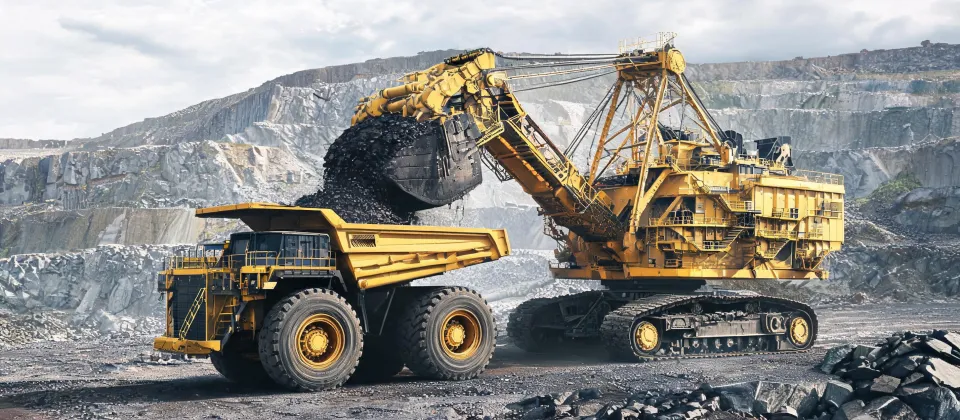
Look, there's no single 'right' supplier for everyone. I've been on both sides of this table—first as a procurement specialist with a $5M annual budget, and now as an engineer managing plant operations where a single line stoppage costs more than my first car. If there's one thing I've learned coordinating rush orders for event materials and critical machine parts, it's that the best choice depends entirely on your specific situation. Let me help you figure out yours.
Scenario A: The Urgent Breakdown – When Time Is Your Only Currency
You've got a machine down. Production is halted. Every hour costs you $10,000 in lost output. An engineer might quickly point to a Bühler pellet mill, known for its reliability, but the specific part has failed. Your job isn't to evaluate long-term maintenance schedules; it's to get that line running again. From the outside, it looks like vendors just need to work faster for emergency orders. The reality is these orders require completely different workflows, dedicated resources, and often premium pricing.
In this scenario, speed trumps all else. You're not evaluating the cost of a hydraulic cylinder from 'buhler salem sd' versus a local fabricator. You're evaluating who can get you a replacement part, or a temporary solution, in hours, not days. I've had to pay $800 extra in rush fees for a critical component, but that saved a $12,000 production run. In Q3 2024, we tracked 47 such emergencies—the cost of downtime was always the biggest factor.
Your approach here should be: Call your trusted partner first. If they can't deliver a workable solution in 24 hours, escalate to a competitor. The cost of the part is irrelevant; the cost of the downtime is the only thing that matters.
When the Urgent Fix Becomes a Long-Term Problem
I have mixed feelings about the 'quick fix.' On one hand, it keeps production going. On the other, slapping a temporary solution from a vendor with no history often creates more problems later. We learned this the hard way. Looking back, I should have spent the extra money on OEM parts from Bühler for a critical drive shaft. At the time, we chose a cheaper, local alternative to save $2,000. It failed after 6 months. The total cost, not including the second breakdown, was easily double.
Scenario B: The Strategic Project – Evaluating Long-Term Value
Now, imagine you're building a new feed mill from the ground up. You have a 9-month timeline. The decision isn't about surviving the next 24 hours; it's about maximizing output and minimizing total cost of ownership for the next decade. The keyword here isn't 'buhler' as a brand; it's 'divide' and 'white contract'—deciding how to split the project and what partnership model works best.
This is where companies like Bühler Group bring immense value. Their expertise in designing complete processing solutions from intake to load-out is hard to match. But a 'white contract' where you turn over full responsibility to one integrator might be more than you need. The surprise for many first-time buyers isn't the technology gap between global leaders and local suppliers; it's the value of the engineering support and commissioning services that come with a major contract.
Here's a framework I use for strategic projects:
- The 'What is the idea of drift' question: In process control, 'drift' is the gradual deviation from standard. In supplier selection, it's the same. Does the vendor understand your raw material variance and quality targets? A local integrator might be cheaper, but their understanding of drift might be lacking.
- Total cost of ownership includes: Base equipment price + installation + commissioning + training + spare parts availability + average repair time. A Bühler roller mill might cost 20% more upfront, but its market-available spare parts supply chain (even in 'buhler salem sd' scenarios) can make it cheaper over 10 years.
Scenario C: The Policy Change – A Lesson from the Charles Buhler APEC Conference
Sometimes, the best decisions come from a policy change inspired by a failure. It's not about a specific 'charles buhler apec conference', but the kind of top-level strategic thinking those names represent. I remember a large-scale project we lost a $50,000 penalty clause on because we tried to save 15% on a standard contract instead of investing in a more robust rush-order clause.
Now, our policy requires a 48-hour buffer before the actual deadline. It sounds simple, but we paid for that lesson. The decision wasn't about choosing Bühler over another vendor; it was about creating a procurement decision tree that prioritizes risk mitigation. For high-stakes, high-value items, we now only use vendors with verified local service depots for machine critical parts. This is a direct result of that expensive failure.
How to Determine Which Scenario You're In
Ask yourself these questions before you pick up the phone:
- Is the plant currently stopped or at risk of stopping? Yes? You're in Scenario A. Stop reading and call for a fast fix. No? Continue to question 2.
- Is this purchase for a new line or a major plant upgrade? Yes? You're in Scenario B. Start calculating TCO, not just the price. No? Continue to question 3.
- Is this a routine replacement with a recent history of supplier failures? Yes? You're in Scenario C. It's time to change a policy, not just buy a part. No? Then you're likely in a standard procurement cycle where price and delivery are the main factors.
Don't let a 'divide' in your decision-making process cost you more in the long run. Be honest about the pressure you're under and the resources you have. I'd rather spend 10 minutes explaining these scenarios than deal with a mismatched expectation after a $50,000 purchase.
Pricing for industrial equipment varies widely based on specifications and market conditions. Prices mentioned are from past projects (2024) and are for general reference only.