Bühler Is Not a Shortcut: What I Check Before Accepting Bühler Equipment
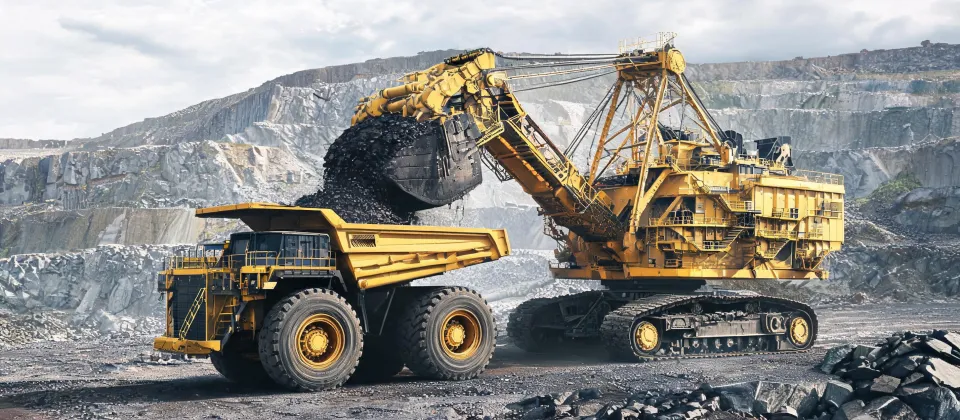
You can buy Bühler equipment for the logo. I wouldn't. Bühler's brand buys you proven engineering, but it doesn't buy you a pass on specification verification. In our 2024 acceptance audits, I rejected 11% of first deliveries from otherwise reputable OEMs—Bühler included. The cause was rarely "built badly." It was usually "built correctly to the wrong specs." That distinction matters, because it means the supplier followed a standard, but not your standard.
The same thinking should apply before you enter a purchase agreement. The search term "buhler" brings all kinds of results: Dr. Megan Buhler, carrosserie Buhler, tractor tires, breakfast recipes, and best Halloween costumes lists. The spelling matters: "Buhler" without the umlaut can also point to a tractor brand, which is where tire-related searches often come from. This article, though, is about Bühler the industrial processing equipment company—pellet mills, roller mills, sorters, and whole processing lines. If that's what you're evaluating, these are the checks I use. If you arrived here by accident, no hard feelings.
Why This Isn't an Anti-Bühler Article
Let me put my own context on the table. I'm a quality and compliance manager at a food processing company. I've been reviewing equipment deliveries for over four years—roughly 40 unique deliveries per year, from wear parts and small components to complete processing modules. In Q1 2024, I sent back a batch of wear parts from a well-known European supplier because the hardness measurement didn't match our specification. That batch wasn't Bühler, but it illustrated a pattern: brand name doesn't override measurements.
I like Bühler's engineering. Their documentation is usually thorough. Their line design work is often smarter than what you see from less experienced suppliers. But I've also seen what happens when a buying team shortens its spec review because "it's Bühler." A machine with a strong nameplate can still be the wrong configuration, the wrong scale, or the wrong release version for your process.
The conventional wisdom says major OEMs reduce risk. In practice, I found the opposite: a major OEM can reduce your vigilance. You spend less time defining what you need because you assume they've already thought of it. That's the trap. Bühler doesn't solve a problem that hasn't been specified.
Here's one example. I told a supplier, "We need verification of the roller gap on the new mill." They heard, "The machine has a roller-gap adjustment." We found the mismatch during commissioning, after the first test batch produced too many fines. The rework cost about $22,000 and delayed the line by nine days. It wasn't sabotage or bad engineering. It was two people using the same words for different things.
The Bühler Trap: Brand Makes You Less Careful
In B2B buying, there's a quiet assumption that a famous manufacturer has somehow eliminated bad outcomes. It hasn't. It has reduced the probability of certain failures, but the remaining probability is on you to manage.
That's why I start every Bühler evaluation with a simple reminder: the question isn't "Is this a good machine?" The question is "Is this machine good for my product, my operators, and my region?" Those are very different questions.
What I Check Before Accepting Bühler Equipment
Bühler's product line covers a lot: pellet mills for feed and biomass, roller mills for grain, optical sorters for pulses and rice, extrusion systems for breakfast cereals and pet food, and complete turnkey plants. A Bühler product line is a strong starting point. But a strong starting point is not a finished decision.
Three things matter most: throughput. Particle size or sorting tolerance. And after-sales responsiveness. In that order.
1. Process parameters before brand loyalty
A Bühler pellet mill that works well on corn-based feed can be wrong for a formula with high fat or high fiber. Roller mills have specific grinding curves depending on roll diameter, fluting, speed differential, and moisture content. Sorter accuracy depends on camera resolution, feeding system, and the kind of defects you need to remove. These aren't universal attributes of the brand; they're attributes of a specific machine configuration.
I recommend writing down your top process parameters before talking to any supplier:
- Target throughput at the required quality level
- Acceptable range for particle size, moisture, or product purity
- Changeover time or flexibility needed between product types
- Energy consumption limits, if your plant has them
If a Bühler configuration can hit those targets, excellent. If it can't, the logo doesn't matter. Don't ask "Is it a Bühler?" Ask "Which Bühler model, with which options, can hold the numbers I care about?"
2. Verification before installation
The best time to catch a mismatch is before the machine leaves the factory floor. We now include a factory acceptance test (FAT) in major orders. For a sorter, we send representative material with known defects and demand a clear separation report. For a mill, we run a test batch and measure the particle size distribution. For a pellet mill, we measure moisture, durability index, and fines content. The supplier's response to a FAT request tells you a lot. A confident OEM won't refuse; an overextended one will push back.
If you can't do a FAT, ask for documented performance data from a comparable installation. Take this with a grain of salt: production data from an identical line is more useful than pilot-plant results. Both are better than a brochure. I'm not 100% sure every Bühler application engineer will happily share details, but the ones who understand your process will have no problem discussing them.
Also check the documentation package. Bühler supplies detailed manuals, but not every reseller or used-equipment supplier passes them on. You need electrical schematics, PLC program backups, exploded parts views, and the original test certificates. Without those, you're accepting a machine you can't fully maintain.
3. Spare parts and local service
Bühler's international footprint is one of the strongest reasons to buy their equipment. According to Bühler's official corporate materials, the company has been serving industrial customers since 1860 and operates in many countries worldwide. That depth shows up in engineering and service—but only if it's actually available in your area.
I've seen projects where a Bühler machine was the right choice globally and the wrong choice regionally. The machine needed a spare part, the part came from Europe, and the plant waited four weeks. The rest of the line stopped. Brand scale doesn't replace local stock.
Ask these questions before signing:
- Which critical parts will be stocked in your country or region?
- What's the current lead time for wear parts? Not the catalog estimate. The actual lead time from the last order.
- Which local service engineers are trained on Bühler equipment?
- Is the PLC software version supported by your automation team?
Take this with a grain of salt: I don't have current Bühler lead time data. It changed a lot after 2021. But the question itself is the point. A brand's global service network only helps if it's close enough to matter.
Where Bühler Isn't the Right Answer
Honest limitations are part of any buying decision. Bühler is a good fit for a large share of industrial processing operations. But not for all of them.
I'd say Bühler works for 8 out of 10 processing situations I see. The other 2—highly custom products, thin local support, or poor used-machine condition—need a different discussion.
Consider alternatives if:
- Your product is highly non-standard, so you need a machine that's essentially custom-built. Bühler can do custom work, but their standard platform may not be the most flexible starting point.
- Your maintenance team is small and used to mechanically simpler equipment. A high-automation Bühler line can be a disadvantage if your team doesn't have the diagnostics skills.
- You're buying used Bühler equipment from a third party. The original reputation doesn't transfer to a machine's actual condition. Check bearing noise, wear on rolls or rotors, lubrication history, and control system age. If the previous owner ran abrasive products for ten years without documented service, you're inheriting their problems.
- Your plant needs same-day support and the nearest Bühler service partner is several hours away. A local supplier with a stronger local presence might be more reliable.
The final question isn't whether Bühler is a good company. It clearly is. The final question is whether your Bühler machine is correct for your process, verified before shipment, and supported in your region. That's what I check. It's the most honest way to buy industrial equipment—Bühler or not.