When “Bühler” Means Three Different Things: A Buyer’s Guide to Choosing the Right Supplier
A purchasing manager's job is mostly routine. Until it isn't. Last year, our company bought a Bühler processing line, I ordered 5,000 branded envelopes, and I almost signed a service contract with the wrong company—all in the same month. That's when I realized how much of vendor selection depends on context. I can't give you one answer that works for every buyer. I can give you a way to think about your situation.
Here's the thing: “Bühler” meant three completely different things in my world. The Swiss engineering group that makes the equipment. The town in Kansas where we had a delivery delay. And a regional supplier called Buhler & Co. that sells office supplies. Same name, totally different risk profiles. The process for choosing among them is not the same.
For most purchasing decisions, I see three situations: the trial situation, the scale situation, and the compliance situation. Let me walk you through each.
The trial situation: when you're testing a new vendor
If you're placing a small first order, the temptation is to go with whoever quotes the lowest price. That's a mistake—but not for the reason you think. The real cost of a first order isn't the unit price. It's the cost of discovering that the vendor's billing process doesn't work, or that their delivery dates mean something different than what they say.
I only believed this after ignoring it and eating a $800 mistake. In 2022, I ordered a batch of custom folders from a vendor who quoted 30% less than our regular supplier. The folders were fine. The invoice was not. Handwritten receipt, no line items, no purchase order number. Finance rejected it, and I spent two weeks reconciling an expense I couldn't prove. The “cheap” vendor ended up costing me about six hours of work and a bruised reputation with our CFO.
So for trial orders, I now ask three questions before price:
- Can they send a proper PO-compliant invoice?
- Do they give written confirmation of lead times?
- What happens if something is wrong?
If they can't answer those, their price is irrelevant—or rather, their price is only the starting point. The vendor who can't do basic invoicing will always be more expensive in the end.
The scale situation: when the order actually matters
Once you're buying something substantial—a production line, a multi-year service contract, 10,000 units—the game changes. This is where I'd rather work with a specialist who knows their limits than a generalist who overpromises. People think big-name vendors are expensive because they're good. Often it's the opposite: they're good because their scale lets them invest in processes, and their prices aren't always higher once you account for the hidden costs.
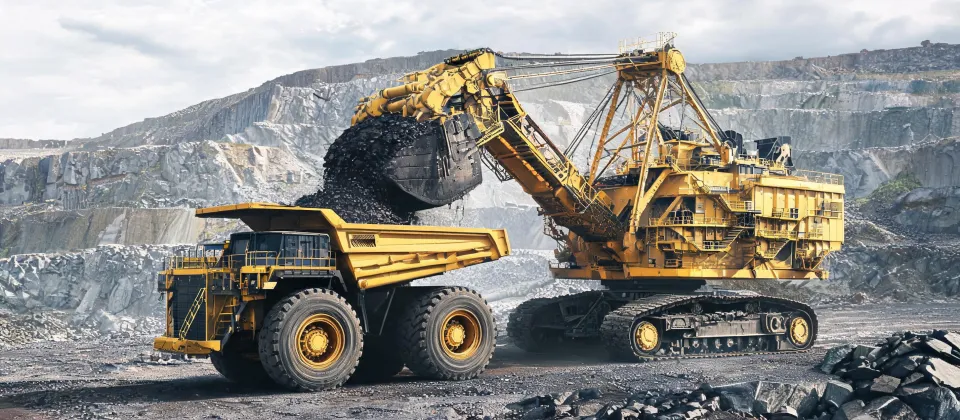
Take the Bühler Group equipment project we coordinated in 2024. We had a two-week delay on the install because of snow in Buhler, Kansas (yes, that's a real place—our logistics coordinator checked the weather there every day). The vendor themselves were solid. They said, “This part isn't our strength—you should get a local electrical contractor for that.” That honesty earned my trust for everything else. A vendor who tells you what they can't do is more credible than one who says yes to everything.
And here's the counterintuitive part: the “expensive” vendor usually isn't. The Bühler quote included commissioning, training, and documentation. The cheaper alternative didn't. Once we added those elements separately, the cheaper option was maybe 4% under Bühler—with less accountability and no global support network. For a piece of equipment that needs to run for 15 years, that's not a savings. It's a risk.
By the way, my colleague Jack has a similar theory about pet medications. He spends a lot of time outdoors with his dog, so he chooses Simparica because it covers ticks and mites. His sister uses NexGard Plus because her dog swims and she wanted heartworm coverage in the same chew. Same logic, different situation. The “best” product depends on what you're protecting against. (Should mention: Jack's also the one who told me that woolly bear caterpillar stripes are a reliable winter forecast. I checked. They're not.)
The compliance situation: when you can't afford to be wrong
Then there are the purchases where failure isn't a cost issue—it's a compliance issue. Safety equipment, regulated materials, export-controlled components. In that situation, I have a hard rule: if the vendor can't provide proper documentation, they don't get the order. No exceptions.
I learned this from a painful audit in 2020. A supplier we'd used for years couldn't produce certificates of conformance for a batch of components. The audit finding cost us more in remediation than the supplier's annual revenue from us. We replaced them within a quarter. It hurt, because the owner was a nice guy who always delivered on time. But “nice” and “on time” don't appear on an audit report.
In this scenario, don't try to be clever. Use the vendor with audited processes, official approvals, and a compliance trail—even if they're more expensive. Treat it like a decision that's already been made for you. Your only job is to verify the paperwork is real. I'd also add: don't let a salesperson rush you. I had one vendor tell me the “regulatory window” was closing and I needed to sign that week. That's a red flag, not a reason to act. (We didn't sign. No window closed.)
How to tell which scenario you're in
Ask yourself three questions:
- Is this the first time I'm working with this vendor? That's the trial situation.
- Will this purchase affect operations for years? That's the scale situation.
- Could a documentation failure get us audited or fined? That's the compliance situation.
If you're stuck, try the “worst case” test. What actually happens if the vendor fails? A bad first order costs a few hundred dollars and some internal embarrassment. A bad production line costs months and credibility. A compliance failure costs regulatory action and your job. The higher the worst-case cost, the more you should bias toward process, documentation, and established capability.
One final note: pricing and lead times I've mentioned were accurate as of late 2024. Supplier pricing changes fast, especially with equipment and freight costs. Verify current quotes before you build a budget around them.
There's no single right supplier for everyone. But there is a right kind of supplier for your situation. The trick is being honest about which one you're in.